






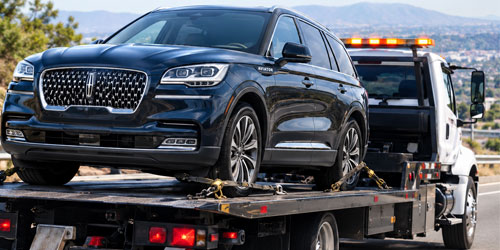
Lincoln sells its vehicles on comfort, quiet, and technology, so owners expect a lot when they spend luxury money on an Aviator, Navigator, Nautilus, or Corsair. Most owners are happy. But a steady stream of recalls and owner complaints shows that some Lincolns, particularly early production runs of redesigned models, have developed recurring problems that dealerships struggle to fix.
If you keep returning to the service department for the same defect, you may be dealing with more than bad luck. This article walks through the problems owners report most often, explains when a persistent defect can make a vehicle a “lemon” under California law, and answers common questions at the end. Sources are listed in the References section.
What Makes a Vehicle a Lemon in California?
California’s Lemon Law is part of the Song-Beverly Consumer Warranty Act, supplemented by the Tanner Consumer Protection Act. In general, it requires a manufacturer to repurchase or replace a vehicle that has a warranty-covered defect it cannot fix after a reasonable number of attempts. The defect must substantially impair the vehicle’s use, value, or safety.
The law does not set one magic number of repair visits, but it creates an evidentiary presumption that the manufacturer has had a reasonable opportunity to fix the problem when certain conditions occur within the first 18 months or 18,000 miles, whichever comes first. Commonly cited triggers include:
- Four or more repair attempts for the same defect
- The vehicle being out of service for repairs for more than 30 days in total
- Two or more attempts for a defect likely to cause death or serious injury, such as a brake or steering failure
Owners outside that window can still have a claim as long as the vehicle remains under the manufacturer’s warranty. The presumption simply makes the case easier to prove.
The Most Common Lincoln Problems
The patterns below come from federal recall records, National Highway Traffic Safety Administration (NHTSA) complaints, and owner reports compiled by consumer and legal websites. Complaints are owner accounts, not proof that any particular vehicle is defective, and counts vary by source and date. Even so, the same themes appear again and again.
1. Electrical System Failures
Electrical trouble is the most reported category on the Aviator. Federal complaint data flags the 2022 Aviator for electrical failures, and Ford has issued a long list of recalls on the model, including one covering 2022 plug-in hybrids. A recall covering 2022–2025 Navigators addresses a module that can reset unexpectedly and repeatedly, taking driver-assistance features offline along with the rearview camera.
These issues matter for lemon law purposes because they are often intermittent. Dealers may write “could not duplicate” on the repair order, but repeated visits for the same complaint still count as documented repair attempts.
2. Rearview Camera and Back-Over Prevention Problems
Few issues have generated as many recalls. Aviator owners have been through repeated camera recalls, including for blank or stuck screens and discolored blue or black images, and back-over prevention is one of the main complaint areas for the 2021 Aviator. The Navigator module recall described above can disable the camera as well.
A camera that fails can be a safety issue, and recalls that do not fully cure the problem are one of the clearest signals that a vehicle may qualify for a buyback.
3. Transmission Problems
The Navigator’s 10-speed automatic is the issue rated most serious on the 2023 model in one owner-report database. Owners describe harsh or erratic shifting, clunking, jerking, hesitation, and shudder between gears.
Because transmission failures can leave a vehicle unpredictable on the road, they are among the strongest candidates for a lemon law claim.
4. Engine and Powertrain Defects
One 2021 Aviator complaint describes engine failure in a nearly new vehicle with only about 4,000 miles on the odometer. Ford has also recalled certain 2021–2022 Nautilus and Aviator vehicles equipped with 2.7L or 3.0L Nano EcoBoost engines.
An engine that fails or loses power at speed is a safety concern, which can reduce the number of repair attempts needed to support a claim.
5. Fuel, Emissions, and Sensor Issues
Consumer survey data on the 2022 Nautilus points to problems with oxygen sensors, emission-control devices such as the EGR system, and fuel system components. Respondents have described Nautilus vehicles that were bad from new and that dealers could not diagnose, and some owners report a buyback after pursuing a lemon law claim.
Quick Reference by Model
The table below summarizes the themes above. It is a snapshot of reported issues, not a guarantee that any individual vehicle will experience them.
| Model | Commonly reported problems | Notable recall / owner-report themes |
| Aviator | Electrical faults, rearview camera failures, early engine failures | Several camera recalls; recalls on 2021–2022 Nano EcoBoost engines and 2022 plug-in hybrids |
| Navigator | Harsh or erratic 10-speed shifting, driver-assist and camera module resets | Recall covering 2022–2025 models for module resets that can disable the rearview camera and driver assists |
| Nautilus | Fuel, emissions and sensor faults, problems dealers could not diagnose | Recalls on certain 2021–2023 models, including Nano EcoBoost engines on 2021–2022 models |
What to Do If You Think Your Lincoln Is a Lemon
- Keep every repair order. Make sure each one lists your complaint and the dates the vehicle was in the shop. Ask the service advisor to record the problem even if it cannot be reproduced.
- Do not wait. Report the same defect to an authorized Lincoln dealer each time it returns, while the vehicle is under warranty.
- Track days out of service. Note the dates you drop off and pick up the vehicle.
- Stay in possession of the vehicle. Under California’s updated procedures, you generally need to have the vehicle when you give notice to the manufacturer.
- Talk to a lemon law attorney early. Lemon law claims have deadlines and procedural steps, and the manufacturer, not you, typically pays reasonable attorney’s fees on a successful claim.
Frequently Asked Questions
How do I know if my Lincoln is a lemon?
Your Lincoln may be a lemon if it has a warranty-covered defect that substantially impairs its use, value, or safety and the manufacturer has been unable to fix it after a reasonable number of attempts. Repeated visits for the same problem, long stretches in the shop, or a serious safety defect are the usual warning signs.
How many repair attempts does California require?
There is no fixed number. During the first 18 months or 18,000 miles, a presumption arises after four or more attempts to fix the same defect, after more than 30 total days out of service, or after two attempts for a defect that could cause death or serious injury. Outside that window, courts look at whether the manufacturer had a reasonable chance to repair the defect.
Does the Lemon Law cover leased or used Lincolns?
It can. Leased vehicles are covered, and used vehicles can qualify under some consumer protection statutes depending on the warranty status. The vehicle must have been purchased or leased at retail in California.
Do recalls count as repair attempts?
Recall visits can form part of a vehicle’s repair history, especially when the recalled problem keeps coming back or when the repair does not fully fix it. Many Lincoln models have had repeated recalls for the same system, such as the rearview camera, so bring all recall paperwork to an attorney for review.
What can I recover if my Lincoln qualifies?
A manufacturer must generally repurchase or replace a lemon, and you can choose a refund instead of a replacement. A refund may be reduced by a usage offset, calculated by dividing the miles driven before the first repair attempt for the defect by 120,000 and multiplying the result by the purchase price. The manufacturer is also generally responsible for reasonable attorney’s fees.
Do I have to notify Ford before filing a lawsuit?
Possibly. California’s AB 1755 and SB 26 introduced a pre-suit process for manufacturers that opt in. For those manufacturers, beginning July 1, 2025, a consumer generally must send a written notice at least 30 days before suing for civil penalties, identifying the vehicle and its repair history and demanding a buyback or replacement. Published reports list Ford among the manufacturers that opted in, but you should confirm current status with the California Department of Consumer Affairs or an attorney.
Will it cost me anything to pursue a claim?
Lemon law attorneys commonly handle these cases without upfront fees because California law shifts reasonable attorney’s fees to the manufacturer when the consumer prevails. Ask any attorney you speak with to explain their fee arrangement in writing.
What if my warranty has expired?
The Lemon Law generally applies to defects covered by the manufacturer’s warranty, so timing matters. If the defect first appeared and was reported during the warranty period, you may still have a claim. Speak with an attorney as soon as possible.
How Joseph Kaufman & Associates Can Help You With Your Lincoln Lemon Problems
If you’re experiencing issues with a 2020 – 2026 Lincoln vehicle which haven’t been fixed in a reasonable number of attempts while under warranty, Joseph Kaufman and Associates can help you file a lemon claim seeking a repurchase or cash settlement.
Our team brings unparalleled experience and has recovered over $150 million on behalf of consumers and vehicle owners like you.
Please fill out the form below including any documentation you have regarding your vehicle’s issues and repairs. A lemon law attorney will review your info and set up a free consultation to let you know if you qualify for lemon law help.[/column]
Fill out this form to Get Your Free Lincoln Lemon Law Consultation
This article is for general information only and is not legal advice. Lemon law rules change and depend on the facts of each case.


Write a comment: